


Things about Hierarchy

by Lynda Williams
Things About Hierarchy/Status (2026) - 01
---------------
"Things About Hierarchy" is a thematic series of articles, sponsored by Reality Skimming Press. Pieces in the series run from Jul-Dec 2026. Query us about contributing for $25 CAD a post by emailing coordinator Liza Van Gool at info@realityskimming.com
---------------
Early Ideas
Did you ever feel you had the answer but were overlooked because you lacked the status to be heard? Have you ever felt someone in the room ought to be in charge for all the reasons the actual person in charge was lauding but failing to demonstrate? Or maybe, like me in my early days, you were under the spell of ideas like supporting the true heir to a throne because he was the true heir -- like that guaranteed he'd be the best king?
Do you hear the cognitive dissonance going on here?
I believed in heroes. Zorro was a good example. A nobleman who fought to defend his people from much worse noblemen. It mattered, somehow, that he was the son of a noble house. Oliver Twist, in the classic novel by the same name written by Charles Dickens, had to be restored to wealth and comfort because although living as a pauper he had the noble spirit of his class. There are so many examples in the fiction I loved that were alarmingly naive, in retrospect.
Evolving Ideas
I credit history and economics with sobering me up. The more non-fiction I read, the harder it was to believe anyone should be assumed to be good by virtual of hierarchical entitlement. At the same time, I was inspired by examples that proved there were exceptions to the usually reliable rule that power corrupts. Marcus Aurilius did things Roman emperors did which included some conquering but he sought to serve the common good. Despite 27 years of unjust imprisonment, Nelson Mandela didn't seek revenge when he attained power but a better future for all he governed. And anyone who's been helped by a stranger knows it doesn't take great power to be a hero in all manner of ways large and small. Nelson Mandela And
Hierarchy in Okal Rel Saga
So yes, Amel is the prince raised as a pauper, but simultaneously the prostitute with a heart of gold. His low status at the start of the series makes him invisible to those who would worship him as an icon if they knew his true identity but although he exemplifies the traits Golden Demish of the highest status are supposed to be valued for, nobody sees it until he is revealed to be the empire's missing heir.
As Perry D'Aur says to an emotional young Amel in the "House of Em" when he protests he can't be what he is because he isn't good enough: "You will find some people do, and some people do not, believe as literally as D'Ander in Divine Goodness. It is a matter of bloodlines for most, and you've already passed that test. I would not worry, too much, about your actual behavior."
It takes him until book 6 to overcome his past and take charge to assert his own sense of what's right.
Although Amel remains a central character through all ten books of the Okal Rel Saga, it is the struggle of other characters to operate within their own hierarchical systems (yes, there's more than one) that really helped me work through the cognitive dissonance. In book 5, for example, egalitarian Rire reveals it also has its own failings with regard to status when Ranar is unwisely demoted at a critical time in relations between his people and the Sevolite empire. Ilse Marin's story, launched in book 7, delights me in so many ways but not least because as a middle-class Blue Demish woman she must solve her problems in an acceptable Blue Demish way despite having Sevildom's most powerful Vrellish power on side in a big way, making things worse not better.
I think my theme of culture clash arose out of wrestling with how to view status and power. It comes down to what system supports it. So if you have people from different systems striving together a lot is revealed that is human. Plus a lot of hilarity and tribal prejudice which is, unfortunately, human as well.
Humans are hierarchical. They seek and respect status. My solution is for multiple hierarchies to prevail in a lattice that make a society, such that a low status person in one system can be high status in another aspect of their life. You have a low status job, but you are captain of your sports team. You take pride in your heritage, which gives you strength to cope in an uphill battle with other norms. Your family needs you, and that makes you number one with them. If you think about it, there are hundreds of "systems" to seek status and recognition in if you live in a free societies with equal basic human rights. And how we all fit together involves a lot of micro-culture clash.
Your Turn
In this half of 2026, the Reality Skimming Blog invites thinkers, readers and writers to express their views on hierarchy and status from their own perspective.
Have an idea you'd like to workup? Reach out to us on https://facebook/relskim or by email to info@realityskimming.com to pitch your offer and to book a slot.
---------------
Lynda Williams has been many things in her life: daughter and sister, student, wife and mother, reporter, manager, instructor, librarian, researcher -- but foundationally author of the Okal Rel Saga, and these days publisher at Reality Skimming Press. The world of imagination was always her safe place from which to reflect on an unsafe world.
Lynda Williams on LinkedIn. https://www.linkedin.com/in/lyndajwilliams/
Google Search for Lynda Williams, author, Okal Rel. SEARCH LINK
Reality Skimming on Facebook. https://www.facebook.com/relskim
---------------
References
Springsteen, S. (n.d.). 20 "Goodest" People in History. History Snob. https://www.historysnob.com/historical-figures/20-goodest-people-history/22
Image Credits
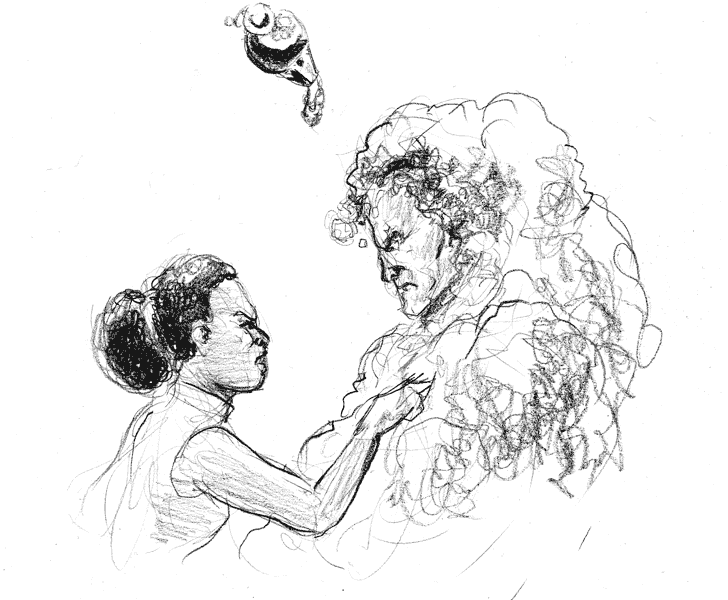
Bartrop, R. (2027). Sketch of Ann of Rire lecturing an indignant Sevolite stuck in Reetion restraining form.


Mình chơi xổ số chủ yếu để thư giãn, kiểu thêm chút hồi hộp sau một ngày làm việc, chứ không coi chuyện trúng là mục tiêu lớn. Hồi trước mình toàn chọn số theo cảm giác, thấy số nào nhìn “thuận” thì ghi, nhưng đôi khi cũng băn khoăn liệu có cách nào đỡ hên xui hơn không. Gần đây mình thử xem thêm mấy bài dự đoán xổ số miền bắc để có thêm dữ liệu tham khảo, như thống kê số hay về, soi cầu chạy thế nào, rồi tự chọn lọc lại theo ý mình. Thực ra đọc thì có lúc thấy cũng hợp lý, có lúc lại nghĩ chỉ là một góc nhìn thôi, nên…
Thanks. You always have such interesting things to say. On so many topics. A sprawling reach of novae